
That deep, shooting pain that radiates from your lower back down through your leg can turn ordinary days into an absolute chore.
When sciatica flares up, simple moments, like sitting through a meeting, getting a decent night’s sleep, or even bending down to tie your shoes, can suddenly feel exhausting.
If rest and standard pain relief haven’t given you the relief you need, acupuncture for sciatica is an option worth looking into. It may help relax tight muscles, calm irritation around the nerve, and give your body the space it needs to settle down.
Here is a clear, honest look at how acupuncture in Mt Gravatt works, what actually happens during a session, and how it fits into your broader recovery plan.
What’s Ahead in This Article
- Sciatica causes shooting nerve pain down the leg, typically triggered by disc issues, spinal pressure, or joint irritation in the lower back.
- Acupuncture may help manage symptoms by easing muscle tension, calming nerve irritation, and improving circulation around affected tissues.
- Treatment works best alongside physiotherapy, guided movement, and targeted exercise.
- Initial appointments include a clinical assessment to confirm suitability and tailor a plan to your specific pain patterns, and treatment to manage symptoms.
- Daily habits like gentle movement, posture checks, and prescribed home exercises are essential for sustaining relief between sessions.
How Acupuncture for Sciatica May Work
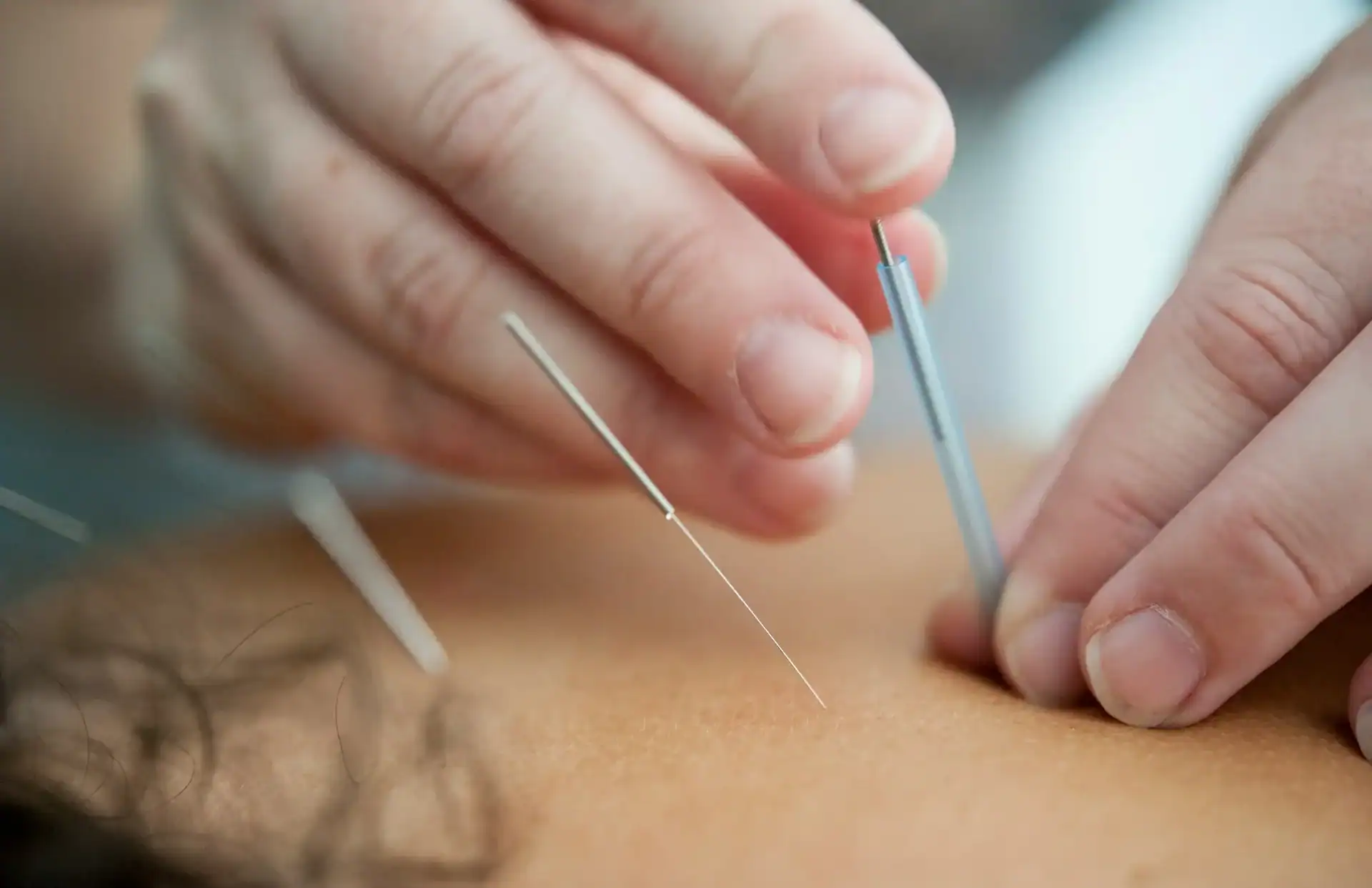
Acupuncture involves placing very fine needles at specific points on the body.
For sciatica, it may help relieve muscle tension and tightness, reduce inflammation, and improve circulation around the affected area. It is used as one part of a wider treatment plan.
At A Pinch of Prevention, a Chinese Medicine Board of Australia (CMBA)- registered practitioner provides acupuncture and has completed four years of formal study in the discipline.
From a traditional perspective, the aim is to gently stimulate points where energy sits close to the surface, encouraging the affected area to move, settle and recover.
What Causes Sciatica Pain?
Sciatica is nerve pain that begins in the lower back and travels along the sciatic nerve into the leg. It usually happens when something presses on the nerve or its roots in the lower spine.
Symptoms may range from a mild ache to a burning or electric-shock sensation, sometimes with numbness or pins and needles.
Common contributors include:
- A herniated or degenerating disc
- Bone pressure on the nerve roots
- Spinal stenosis or osteoarthritis
- A past or recent injury to the region
- Pregnancy
Where Acupuncture Fits in Your Treatment Plan
Treatments for sciatica often combine a variety of approaches. A tailored plan may draw on more than one discipline, with acupuncture used to complement hands-on care and movement.
The table below shows the different treatment types available at A Pinch of Prevention and how they may help.
| Approach | What it May Focus On |
|---|---|
| Physiotherapy | Gentle movement, a guided exercise program, manual therapy for symptom relief, and strengthening for posture and support |
| Naturopathy | Reducing tension and tightness in the region, with the aim of relief without medication |
| Acupuncture | Fine needles applied to ease muscle tension, reduce inflammation and support circulation around the affected area |
Back-related conditions like this are common across the country. According to the Australian Institute of Health and Welfare, around 4 million people (16%) in Australia were estimated to be living with back problems in the 2022 ABS National Health Survey.
What to Expect From Acupuncture in Mt Gravatt
Your first acupuncture visit in Mt Gravatt begins with a thorough assessment to see whether the treatment is suitable for you.
A course of needling is often combined with a flexibility program and hands-on treatment, so your care works together rather than in isolation. Nothing is one-size-fits-all.
Here is what a typical journey may look like:
- An assessment of your symptoms, history and goals
- A tailored plan that may combine acupuncture with physiotherapy
- Gentle needling sessions, with comfort checked throughout
- Progress reviewed and the plan adjusted as you improve
Looking After Yourself Between Appointments
What you do between sessions matters as much as the sessions themselves. Small, steady habits may support your progress and reduce the chance of a flare returning. Ask your practitioner which of these suit your situation.
- Keep gently moving rather than resting completely
- Break up long periods of sitting
- Mind your posture when lifting or bending
- Follow any exercises your physiotherapist sets
Answering Your Acupuncture Questions
Does acupuncture for sciatica hurt?
The needles are very fine, so most people find it far more comfortable than they expect. You may feel a small prick or a dull, heavy sensation at each point, which usually eases quickly. Tell your practitioner if anything feels uncomfortable.
How many acupuncture sessions might I need for sciatica?
There is no set number, as it depends on how long you have had symptoms and what is driving them. Your practitioner will suggest a plan after assessing you and may adjust it as you progress.
How soon might I notice a difference after acupuncture?
This varies from person to person. Some people notice a change in tension or comfort within a few sessions, while others need longer, which is why we review progress along the way.
Is acupuncture suitable for sciatica during pregnancy?
Sciatica is common in pregnancy, but suitability depends on your individual circumstances. Let the team know if you are pregnant so they may assess whether acupuncture is appropriate for you.
Do I need a referral to book acupuncture at A Pinch of Prevention?
No referral is needed to book. If another health professional is already involved in your care, sharing that background helps the team tailor your treatment.
Ready to Take the Pressure off Your Sciatica?
Living with sciatica is wearing, and you deserve care that looks at the whole picture rather than one symptom at a time.
Acupuncture may not be the answer for everyone, but for many people it becomes a valued part of a plan that addresses their pain. Understanding your options is the first step towards days that feel more like your own again.
If you are ready to explore whether acupuncture for sciatica suits you, the team at A Pinch of Prevention in Mount Gravatt East is here to assess, guide and build a plan around your goals.
This content is provided for general information purposes only and is not a substitute for personalised professional advice. Individual needs and conditions vary. Please consult a qualified practitioner to discuss a treatment plan suited to your situation.

Recent Comments