
Considering acupuncture? Before starting any treatment, it’s helpful to understand the ins and outs, from how it works to the potential benefits it may offer.
Many people explore acupuncture when looking for ways to manage pain, reduce tension, or support their overall well-being alongside other treatments.
In this article, we’ll explore the potential benefits of acupuncture, how the treatment works, and compare acupuncture vs dry needling so you may better understand which approach may be suitable for your needs.
If you would like support with acupuncture in Mt Gravatt, reach out to our team today. At A Pinch of Prevention, we offer personalised care tailored to your symptoms and health goals.
The Basics of Acupuncture
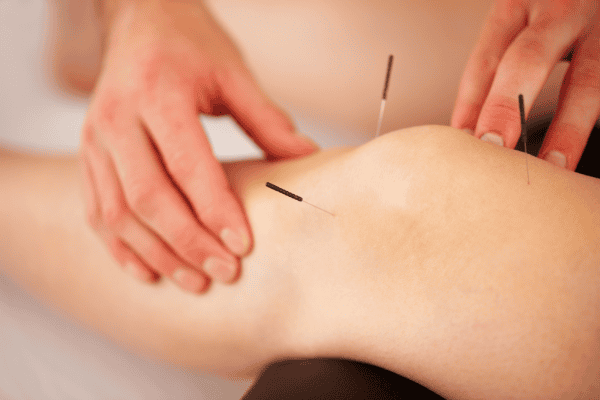
Acupuncture is a treatment that involves inserting very fine, sterile needles into specific points on the body. It is a core component of Traditional Chinese Medicine (TCM) and has been used for thousands of years to support health and wellbeing.
In traditional practice, these points are located along pathways known as meridians, which are believed to influence the flow of energy through the body.
According to the NIH, acupuncture may stimulate nerves, muscles, and connective tissue, which may help activate the body’s natural pain-control processes.
The Potential Benefits of Acupuncture
Acupuncture is used for a wide range of health concerns, particularly those involving pain, muscle tension, and nervous system regulation.
While individual responses may vary, acupuncture may support the body’s natural recovery processes and help manage several common conditions.
Pain and Injury
One of the most common reasons people seek acupuncture is to help manage pain. This includes musculoskeletal conditions such as acupuncture for back pain, neck pain, shoulder pain, and sports injuries.
A large meta-analysis involving nearly 18,000 patients found that acupuncture was associated with improved pain outcomes for chronic pain conditions when compared with usual care or placebo treatments.
Muscle Tension and Mobility
Acupuncture may also help address muscle tightness and restricted movement, which are common contributors to pain and injury.
By stimulating nerves and surrounding tissues, acupuncture may help muscles relax and improve local circulation. This may support better movement and function, particularly when combined with rehabilitation exercises.
Stress and Nervous System Support
Many patients report feeling deeply relaxed during and after acupuncture treatments. Acupuncture may influence the autonomic nervous system, which helps regulate stress responses.
Headaches and Migraines
Acupuncture is also sometimes used to help manage tension headaches and migraines. While acupuncture may not be suitable for every situation, it may be considered as part of a broader treatment approach for managing headache conditions.
Acupuncture vs Dry Needling: What’s the Difference?
Both acupuncture and dry needling involve the use of very fine, sterile needles, but they follow different treatment approaches.
Acupuncture
Acupuncture is a component of Traditional Chinese Medicine. Treatment involves inserting needles into specific acupuncture points to support balance within the body and influence various physiological systems.
Dry Needling
Dry needling is based on Western musculoskeletal medicine and is commonly used by physiotherapists and other practitioners to target muscle trigger points.
The technique focuses on releasing tight or irritated muscle bands that may contribute to pain, stiffness, or reduced mobility.
While acupuncture and dry needling both use similar needles, the assessment methods and treatment philosophies differ. Acupuncture typically considers the whole-body pattern of symptoms, while dry needling focuses primarily on specific muscular trigger points.
What to Expect During an Acupuncture Treatment
If you are new to acupuncture, the treatment process is usually straightforward and tailored to your needs.
- Consultation: Your practitioner will discuss your symptoms, health history, and treatment goals.
- Needle Placement: Fine, sterile needles are inserted into specific acupuncture points on the body.
- Relaxation Period: Needles are typically left in place for around 10-20 minutes while you rest.
- After Treatment: Some people can report general tiredness or deep relaxation after treatment, but normal activities can usually be performed that day.
Your practitioner may recommend a personalised treatment plan depending on your symptoms, condition, and overall health goals.
Is Acupuncture Right for You?
Acupuncture may be considered as part of a broader care approach for a range of health concerns, particularly those involving pain, muscle tension, or stress-related symptoms.
You may consider speaking with a practitioner if you are experiencing:
- Back pain, neck pain, or muscle tension
- Sports injuries or ongoing musculoskeletal discomfort
- Headaches or migraines
- Stress, fatigue, or sleep difficulties
- Digestive issues
- Sinus problems
- Menstrual cycle pain, support and regulation
Experience Acupuncture With a Pinch of Prevention
Exploring treatment options for pain, tension, or ongoing discomfort may feel overwhelming, particularly when you want an approach that considers your overall health and recovery. Acupuncture may offer a supportive option for managing health concerns, while also promoting overall well-being.
At A Pinch of Prevention, acupuncture treatments are tailored to your symptoms, health history, and treatment goals. If you’re experiencing ongoing pain, tension, or injury, a consultation may help determine whether acupuncture could support your recovery.

Recent Comments