
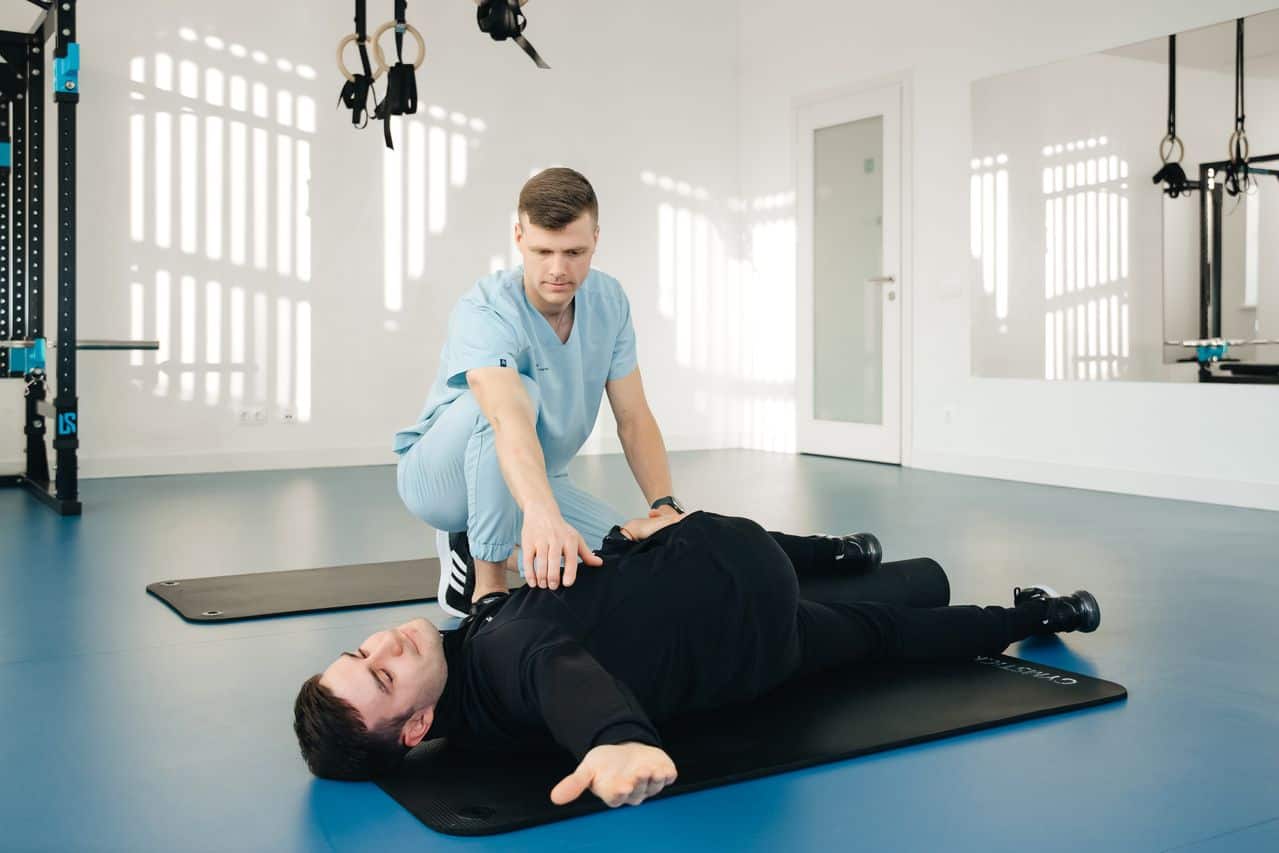
Physiotherapy plays an important role in supporting movement, function, and day-to-day comfort for people of all ages. Whether you are managing a new injury, a long-term condition, or changes in mobility over time, understanding how care is funded can make the process feel far more manageable.
For those searching for a physio in Mt Gravatt or elsewhere in Australia, Medicare coverage is often one of the first questions that comes up.
This article explains when Medicare may contribute to physiotherapy costs, how allied health referrals work, and what to expect if you are considering physiotherapy as part of your overall healthcare plan.
For personalised advice, contact our team at A Pinch Of Prevention today.
Understanding Medicare and Allied Health Services
Medicare is Australia’s public health system and provides access to a range of medical and allied health services. While many people associate Medicare primarily with GP visits and hospital care, it can also contribute to certain allied health appointments, including physiotherapy, under specific circumstances.
It is important to know that Medicare does not usually cover physiotherapy as a standard service. Instead, rebates are available only when certain eligibility criteria are met and when care is accessed through a GP-managed plan.
When Does Medicare Cover Physiotherapy?
Medicare may provide a rebate for physiotherapy services through a Chronic Disease Management plan, often referred to as a GP Management Plan and Team Care Arrangements.
To be eligible, you must meet the following criteria:
- You have a chronic medical condition that has been present for six months or longer.
- Your GP determines that physiotherapy forms part of your ongoing care.
- A GP prepares a management plan and refers you to a registered physiotherapist.
Under this arrangement, Medicare currently allows up to five rebated allied health sessions per calendar year. These sessions are shared across eligible allied health providers, which may include physiotherapists, podiatrists, dietitians, and others.
The Medicare rebate covers part of the consultation fee, not the full cost. Some clinics may bulk bill, while others charge a gap fee. It is always appropriate to ask about fees when booking your appointment.
What Conditions may be Included?
Chronic Disease Management plans are designed for long-term and complex health needs. Physiotherapy may be considered when movement, strength, balance, or physical function are affected by a chronic condition.
Common injuries treated by physiotherapists may include arthritis, persistent back or neck discomfort, long-standing joint conditions, neurological conditions, and mobility challenges related to ageing. Physiotherapists may also be involved in supporting recovery after surgery when ongoing care is required.
How the Referral Process Works
Accessing Medicare-funded physiotherapy starts with a GP appointment. During this visit, your GP will assess your medical history, current concerns, and care needs.
If appropriate, your GP will:
- Create a GP Management Plan
- Establish Team Care Arrangements if required
- Provide a referral to a physiotherapist
The referral outlines the number of sessions approved and the time period covered. Physiotherapists must be registered with AHPRA and meet Medicare requirements to provide services under this program.
It is worth noting that referrals are typically valid for a set period and must be renewed if further sessions are needed beyond the allocated visits.
What Physiotherapy Care may Involve
Physiotherapy focuses on improving movement, function, and physical capacity in a way that aligns with your health goals and daily activities. Sessions may include assessment, education, movement based strategies, and guided exercises tailored to your needs.
Care plans are developed collaboratively, taking into account your medical history, lifestyle, and any guidance provided by your GP. Physiotherapy can form part of a broader approach to managing chronic conditions, alongside medical care and other allied health support.
If you are new to physiotherapy, a guide to physiotherapy in Australia can be helpful in understanding the scope of practice, training standards, and how physiotherapists work within the healthcare system.
Medicare Versus Private Health Insurance
Some people assume that Medicare and private health insurance work in the same way, but they operate differently. Medicare rebates for physiotherapy are limited to specific plans and session numbers.
Private health insurance extras cover may provide additional support for physiotherapy appointments, depending on your policy. This can be used instead of Medicare rebates.
It is not possible to claim both Medicare and private health insurance for the same physiotherapy session. Your physiotherapist can help explain which option applies in your situation.
Choosing the Right Physiotherapist
Finding a practitioner who aligns with your needs and communication preferences can make a meaningful difference to your experience of care. When you choose a physiotherapist that’s right for you, it can be helpful to consider factors such as location, appointment availability, areas of interest, and how clearly information is explained.
All practising physiotherapists in Australia must be registered with the Australian Health Practitioner Regulation Agency. This ensures they meet professional and ethical standards and maintain ongoing professional development.
You are entitled to ask questions about your care, expected appointment structure, and fees before commencing treatment.
What to Know Before Booking Physiotherapy Through Medicare
Medicare can contribute to physiotherapy costs when care is provided under a Chronic Disease Management plan arranged by a GP. While coverage is limited, it can play a supportive role in accessing allied health services as part of long-term care.
If you are exploring physiotherapy as part of your ongoing health care, book online to meet our team at A Pinch of Prevention, where we offer supportive, patient-focused care tailored to individual needs.

Recent Comments